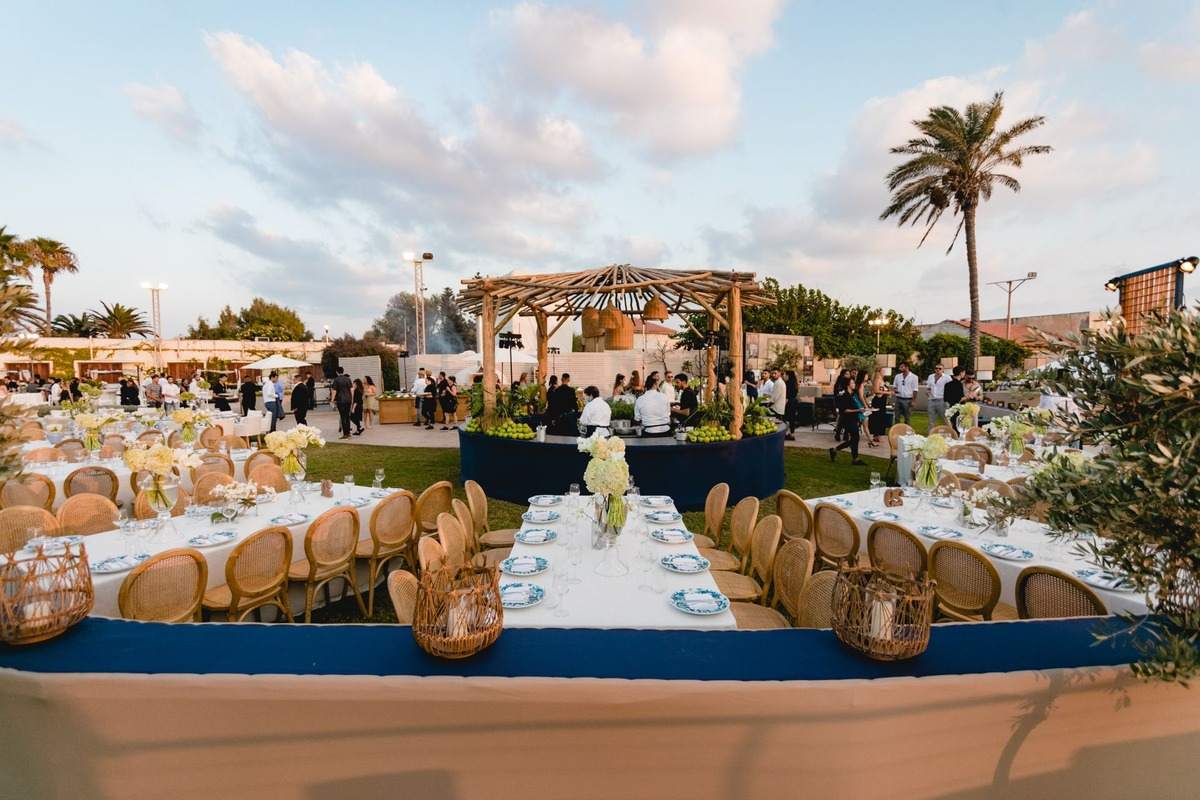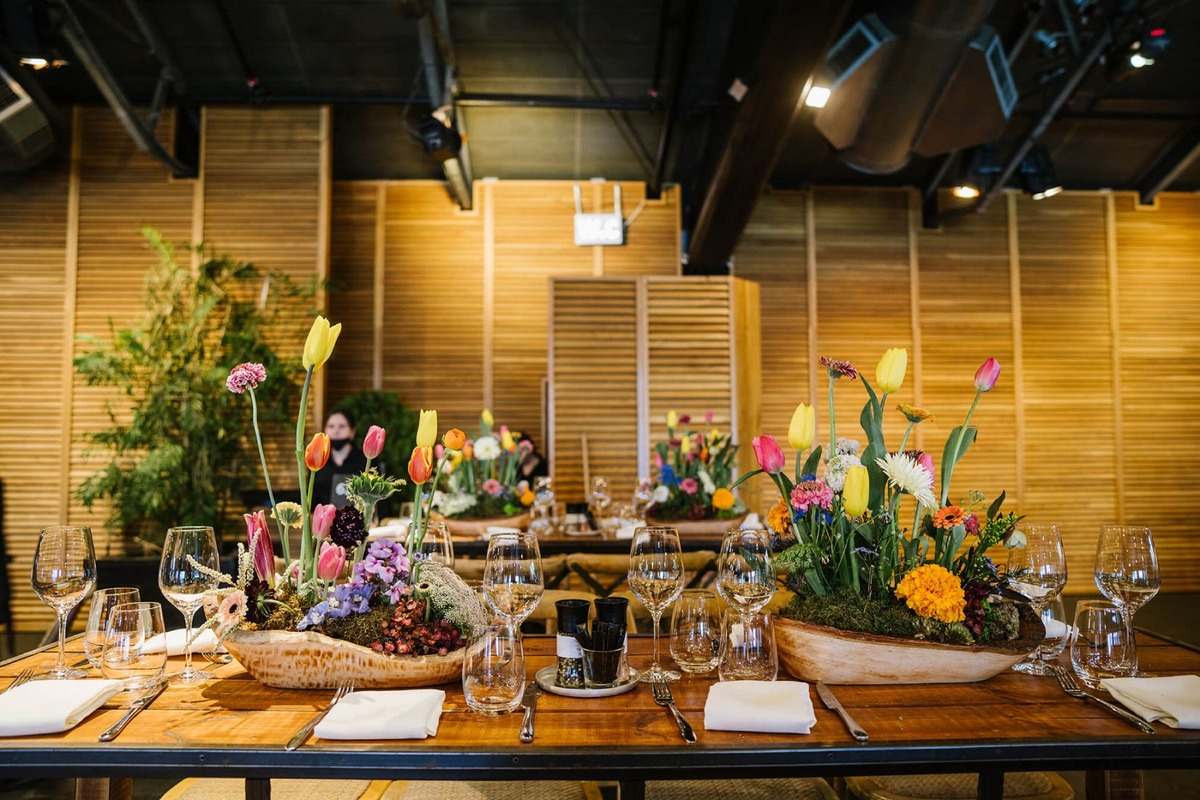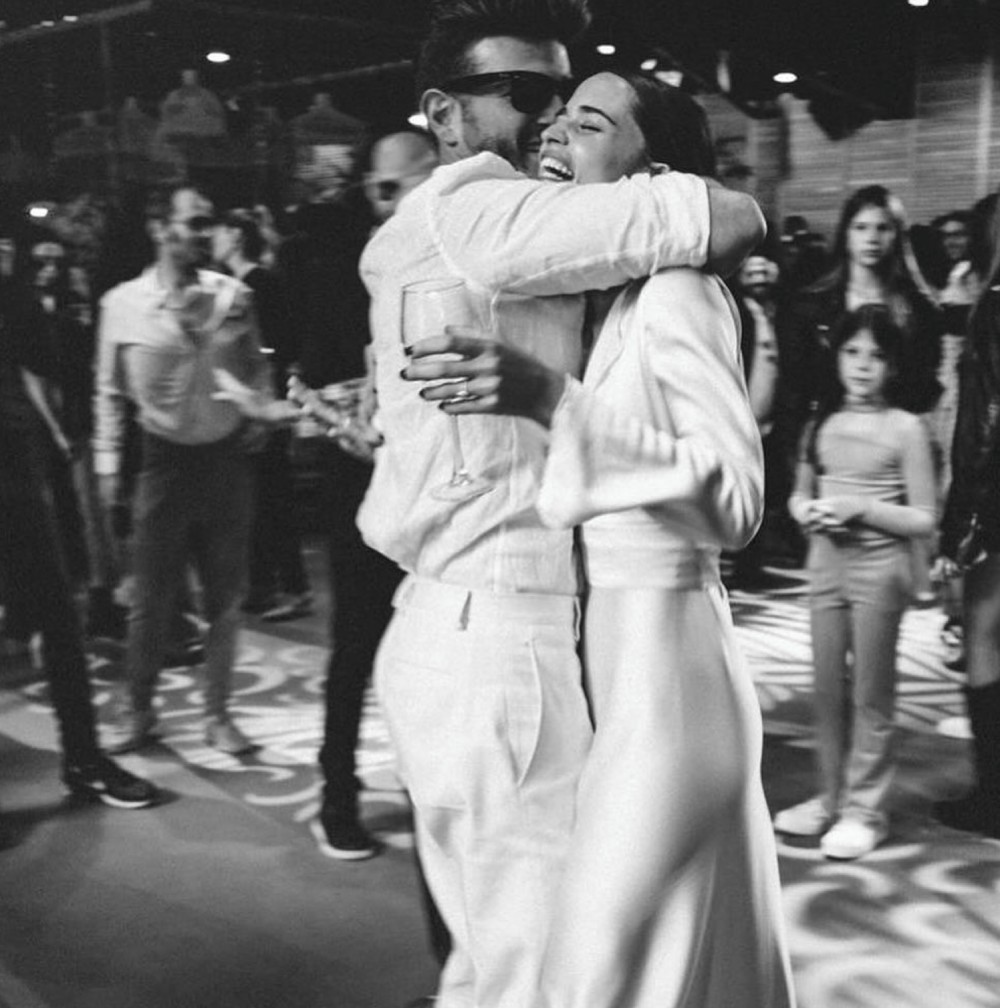
This is not a passing fad – but a response to a basic human need for connection, meaning, and belonging. In an era of remote work, rapid technological change, and high expectations from employees, successful organizations are those that know how to produce experiences for employees that connect people, vision, and emotion. Five Principles for Building a Winning Concept for Your Event
In an era where employees expect more than a competitive salary and standard conditions, organizations are discovering that their success depends on their ability to create a real emotional connection. Organizational events can no longer be “just a meeting” or “another conference” with boring presentations and light refreshments. The fundamental transition that is now taking place in leading organizations is from direct, one-way communication to a shared emotional experience that leaves a mark.
In a world where talent is the scarcest resource, companies understand that they need to strengthen the organization’s culture, create a true sense of belonging, and position themselves as a competitive employer that offers not just a role, but meaning. And this is where concept events come into the picture – a new strategic tool that combines design, storytelling, and the psychology of experience, with the aim of creating an impression that remains long after the event is over.
How did concept events become a strategic tool in organizational culture
What is a “concept” in the world of events? It is more than just a theme or slogan. A concept is a super-idea that brings together all the elements of the event – from graphic design to food, from lighting to program, from music to verbal messages. It is a complete story that is built in a consistent and planned way, that conveys organizational values in an experiential rather than didactic way.
HR companies understand that concept events are not “expensive entertainment” but a strategic investment in employee recruitment and retention. When an organization creates a unique and exciting experience, it not only confirms to participants that they are part of something special – but also creates a strong memory that influences the perception of the internal brand. Employees who experience an event that truly reflects the organization’s values feel a deeper connection to the workplace and their colleagues.
Moreover, concept events serve as an engine for strengthening the organizational community. They create a safe and inspiring framework that allows people to get to know each other outside of the usual work settings, strengthen interdepartmental relationships, and create a sense of belonging with a lasting effect. The fit between the concept and the organizational DNA is key: a good event is one that feels like a natural extension of the company’s culture, not an artificial addition.
The Psychology of Experience: Why Do Concept Events Have Such a Strong Effect on Us?
Studies in cognitive psychology show that sensory experiences influence our consciousness long before we process verbal information. The power of the senses is immense: smells evoke memories, lighting affects mood, colors convey energy, textures create a sense of comfort or interest, and the right music can move us from a state of anticipation to a state of inspiration in seconds. Concept events utilize all of these tools to create “transmitting a message without saying a word” – participants absorb the story before anyone else speaks.
But beyond the senses, there is the Narrative Principle – people connect to a story, not a single event. Why are regular conferences forgotten the next day, while narrative-based events create a clear memory that lasts for years? Because a good story creates meaning. It gives the participant a feeling that they are part of a journey, not just present in the hall. This story influences the overall impression, the sense of meaning, and the motivation to act after the event.
Another key point is the difference between emotional and factual memory. Studies show that experiences that evoke strong emotion “record” themselves better in our brains. This is no coincidence – it is an ancient survival system that ensures that we remember significant events. A good event, then, is a simple and complex equation at the same time: strong emotion + consistent design + clear message = lasting and influential memory.
The meeting point: psychology and business strategy
This is where it all comes together. Companies that understand the psychology of experience are starting to see events not as “a budget that needs to be justified” but as a strategic management tool that contributes to measurable organizational success. This shift is changing the entire perception: instead of copying trends from the market or choosing a provider based on price, organizational managers are starting to ask themselves – what do we want our employees to feel? What message do we want to convey? How do we ensure that the experience is authentic and adapted to our culture?
This is where the importance of producing concept events for companies comes in as a professional practice based on a deep understanding of the employees, the organization, and the psychology of engagement. Leading production companies, like Makers, are not just event organizers – they are strategic partners who understand that every small detail affects the big picture. The company’s experienced production staff know that a successful event is one that starts with understanding the organizational vision and values, and translates them into a physical and emotional experience that speaks directly to the heart.
Five principles for building a winning concept
How do you build an event that combines creativity and human thinking? Five key principles:
Core Value – Every concept should start with the question: What organizational value do we want to emphasize? Innovation? Collaboration? Courage? This value is the backbone on which everything is built.
User Experience (UX) Design for the Physical World – Like a website, an event also has a journey. How does the guest enter? What does he encounter first? How does it move between points? This planning directly affects the feeling of comfort and interest.
Consistent storytelling – the story should appear everywhere: in the graphic design, in the food, in the small rituals, in the verbal content. Consistency creates a sense of completeness.
Interactivity and active participation – studies show that when we “do something” instead of just watching, memory is strengthened many times over. Small workshops, games, an invitation to share – all of these create engagement.
Precise planning – a good event does not happen by chance. Logistical precision, correct timing, attention to the small details – all of these create a sense of control and peace that increases satisfaction.
The story continues after the event is over
The central insight is simple: a company that sees the event as a strategic tool – and not just