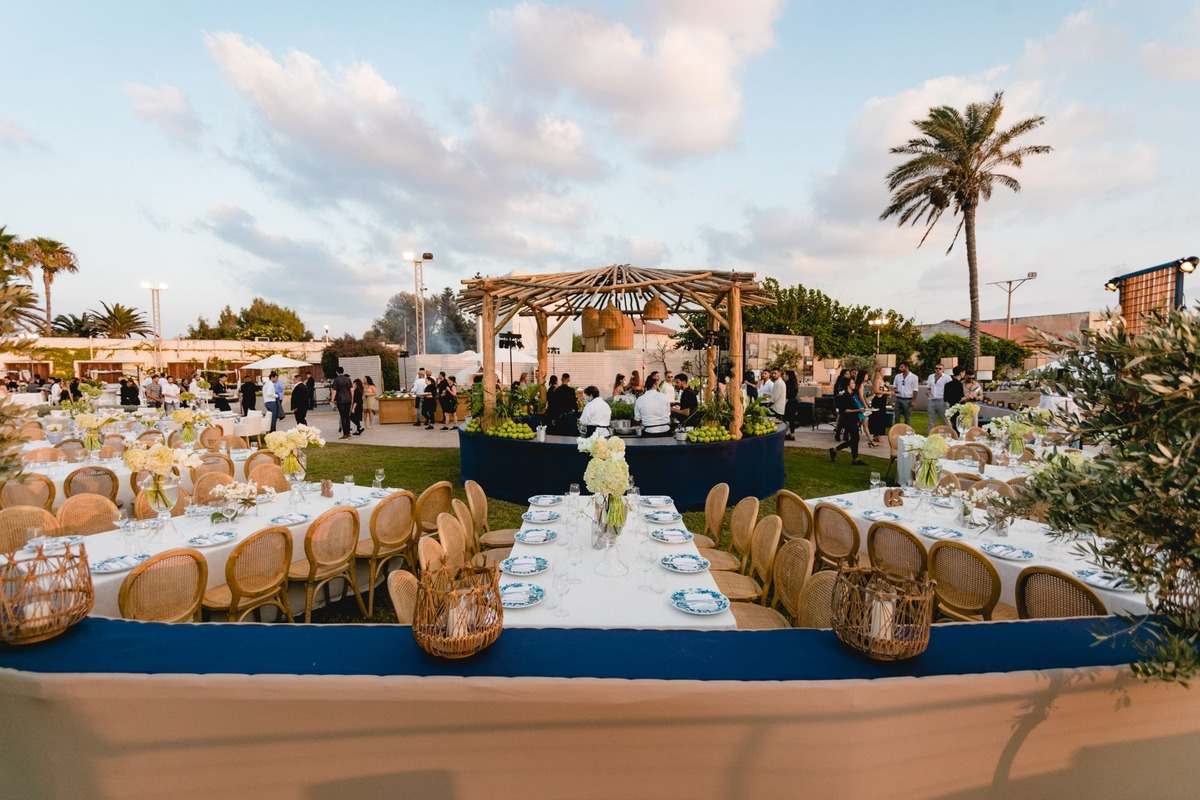
When talking about an event’s budget, the conversation tends to quickly turn to the question of what can be sacrificed. For example, fewer flowers, fewer lighting fixtures, less furniture, maybe one attraction instead of two. But professional production doesn’t start with cutbacks. It starts with a completely different question – how can you use the existing budget more wisely, so that every shekel is invested more wisely in the event?
This is perhaps one of the least talked about tasks of the production company, but it is also one of the most important. Behind an event that looks precise, rich and without compromises, there are not only good aesthetic choices, but also logistical planning, deep familiarity with the area and the ability to identify opportunities that an outsider would not even know how to look for.
Sometimes the opportunity lies in the event that took place yesterday
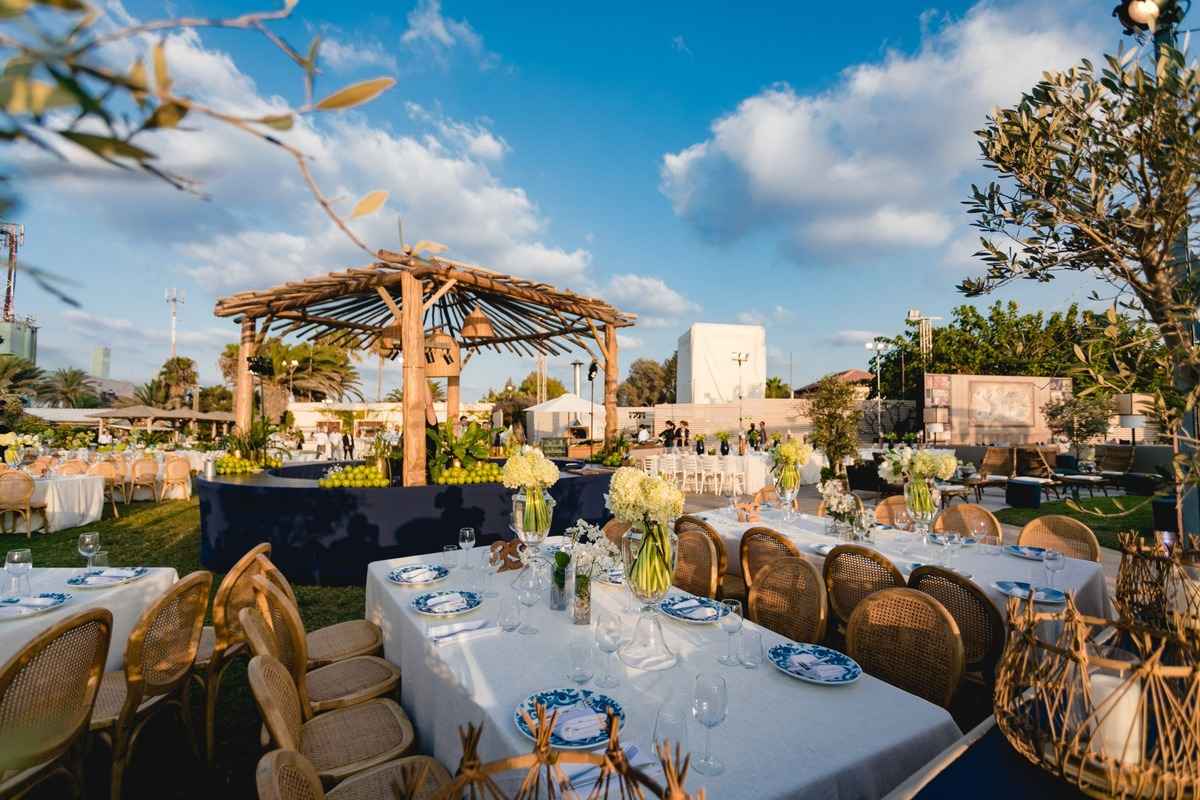
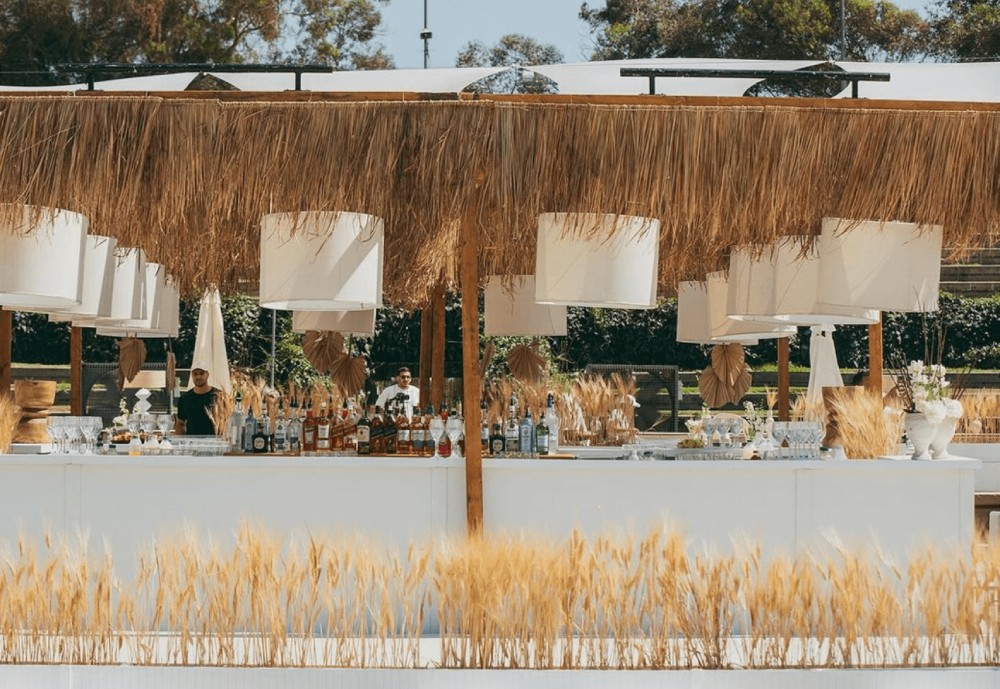
Let’s take for example an event that we produced in the desert. The day before, a large festival took place in the same area, for which a complex lighting infrastructure was built and professional equipment, staff and systems were brought to the area. Instead of dismantling everything, transporting it back, and then bringing new equipment for our event the next day, we had a conversation with the festival production and examined which elements could remain on the site. This was not about copying the festival design or adapting the event to what already existed. The lighting served as infrastructure only, and on its basis a completely different experience was built, according to the language, atmosphere, and needs of our clients. The savings were made in the costs of dismantling, transporting, and re-establishing without compromising the quality, level of finish, or uniqueness of the event. From the guests’ perspective, there was no reuse. They entered a space that was designed for them, with a pace, lighting, and atmosphere built specifically for that evening. The only difference was behind the scenes – instead of paying again for a logistical process that had already been carried out, the budget was freed up for things that really influenced and enhanced the experience.
Same infrastructure, completely different event
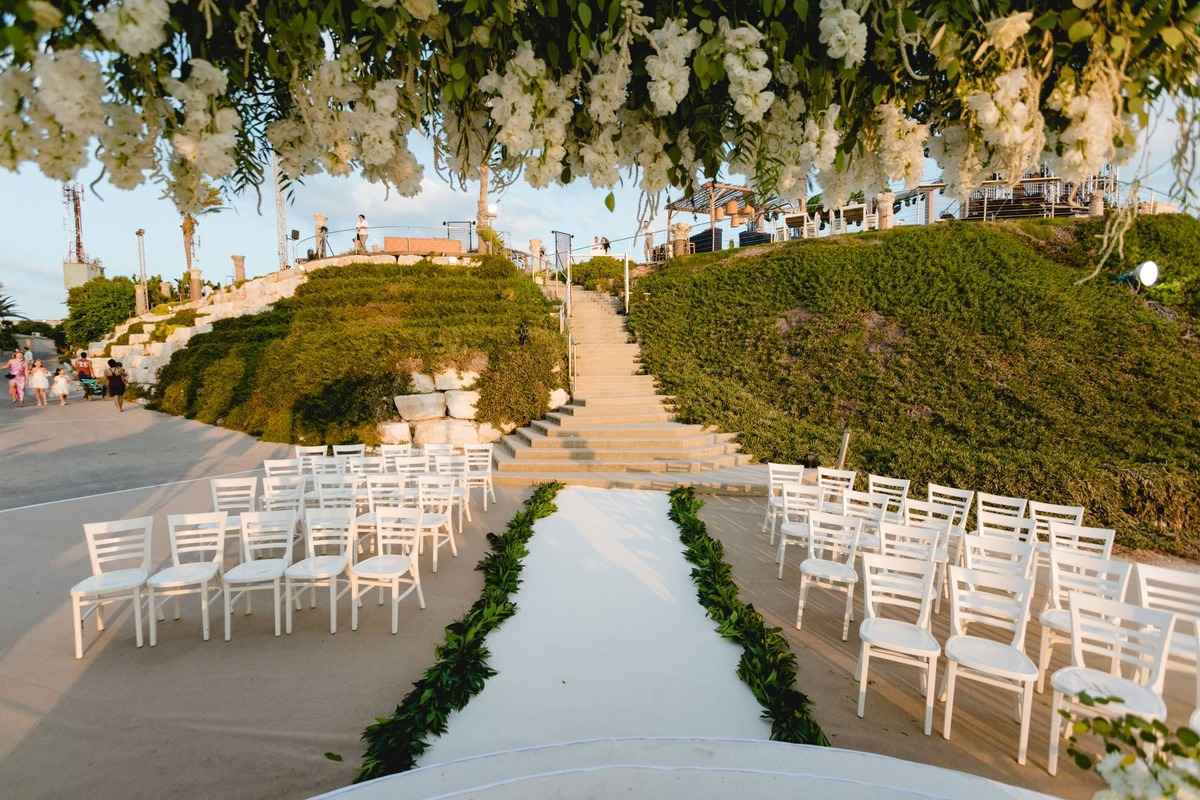
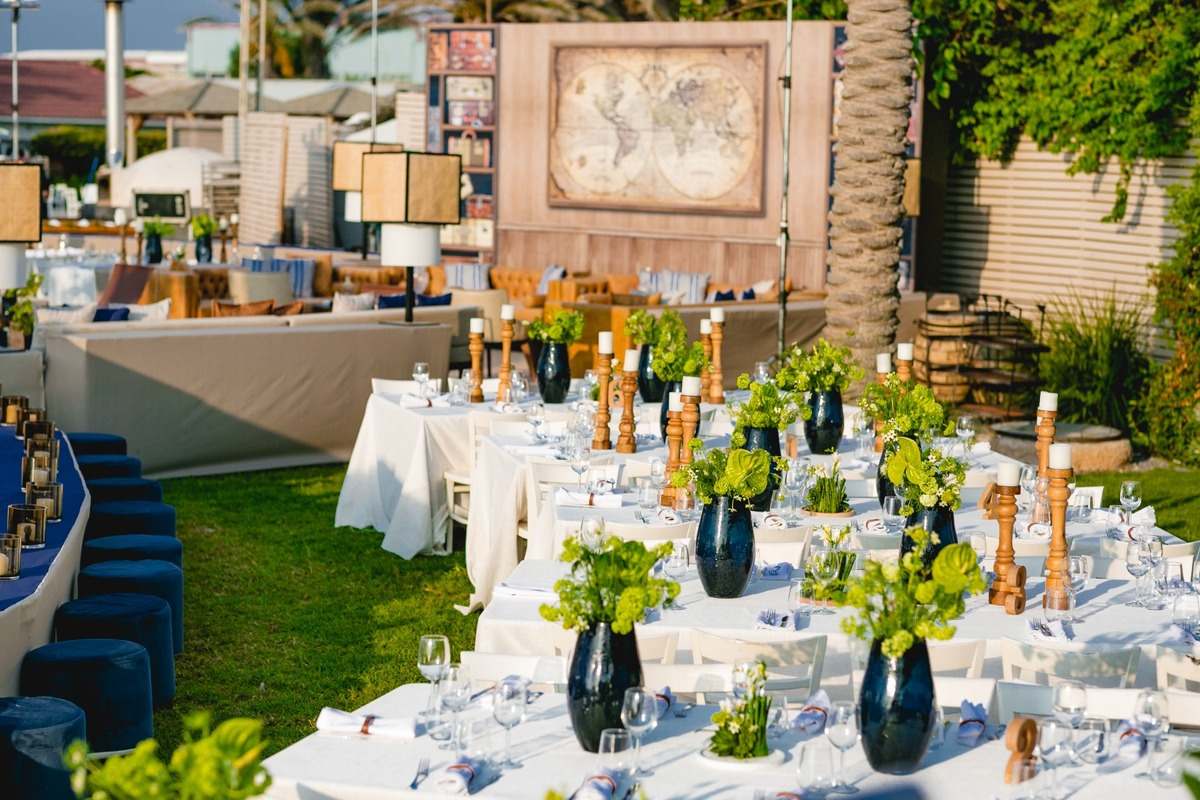
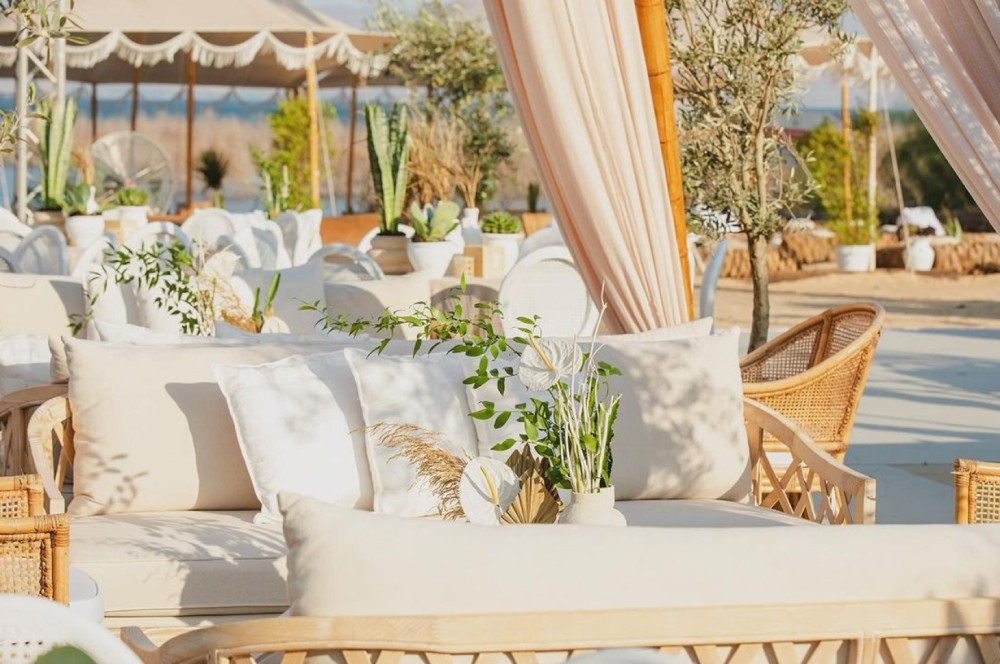
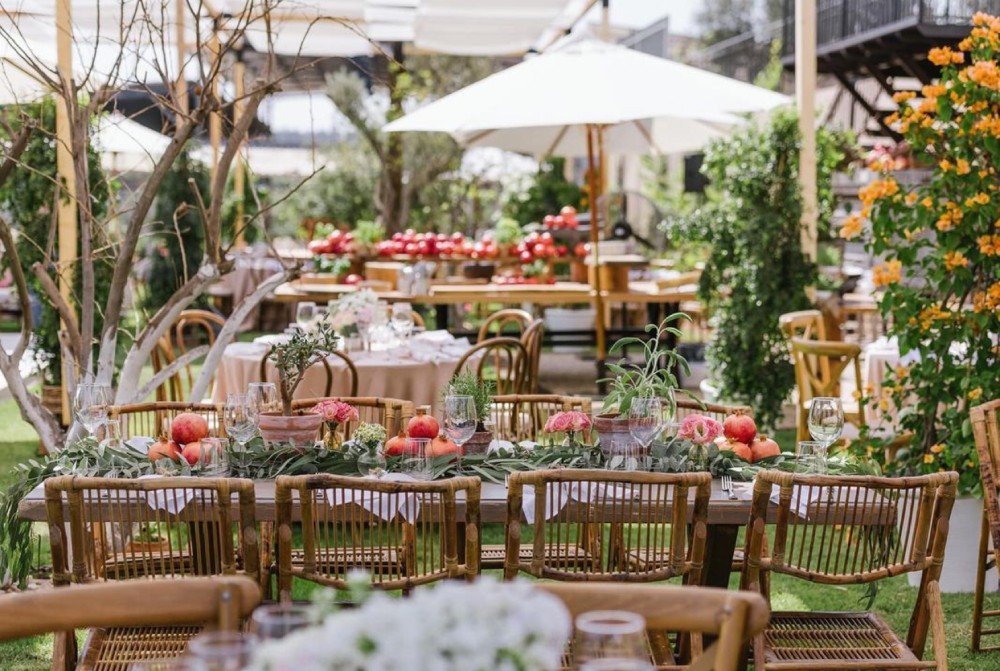
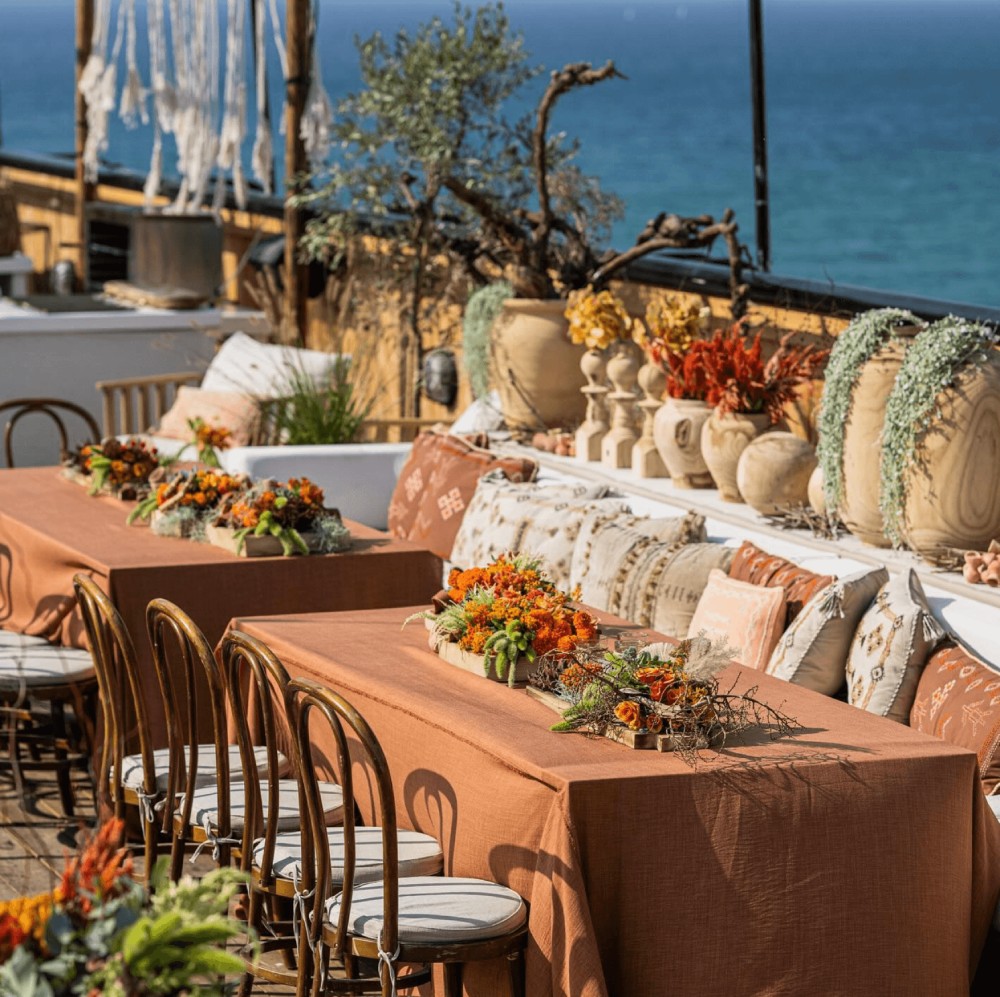
This principle is not only relevant to open-air events. Even in organized event complexes, you can identify smart connections between adjacent productions. At Ronit Farm, for example, there was an event that took place the day before our clients’ event. In order to maximize our clients’ budget in the best possible way without compromising the quality of the design or the experience, we coordinated with the event production to leave the chairs, flower pots, and certain other items for our event. Here too, the goal was not to make the two events look similar. The same chairs could fit into a natural and soft event one day, and into an elegant and precise event the next, depending on the arrangement of the space, textiles, flowers, lighting, and other design elements. The flower pots could serve as a green envelope in the reception area at one event, and become part of the division of space or the design of the canopy the next day. Smart design knows that uniqueness is not created by a single item, but by the way all the elements connect to a complete story. A quality and experienced wedding production company knows which elements can remain without affecting the identity of the event, and which elements must be rebuilt to maintain the personal and unique feeling that you want to create.
Early planning creates an advantage
It is important to distinguish between taking advantage of a professional opportunity and an improvised last-minute solution. Maximizing a budget in wedding production is not an attempt to make do with what is available, and it certainly should not surprise clients on the day of the event. It is a process based on checks, coordination, and clear agreements between all parties involved. The production needs to find out which events are taking place on site before and after the event, who the suppliers are working with, what infrastructure is being set up, what can be left behind, who is responsible for the equipment, and how to ensure that everything meets the established standards. Sometimes the connection will be possible, and sometimes not. The trick is to check, compare costs, and decide only when the solution really serves the event. Of course, full transparency with clients is also required. They need to know what remains on site, what is being adjusted, and what was built especially for them. This way, savings become a strategic decision rather than a compromise.
Direct the money to the important places
When you save on transportation, set-up or double staff costs, the budget doesn’t necessarily have to be reduced. You can direct it to higher-value components such as surprising content, a show, a more precise sound solution, sophisticated cuisine, guest comfort or a central design element that truly defines the event. And this is exactly the difference between budget management and budget maximization. Management makes sure that you don’t exceed the defined amount. Maximization examines how you can get more through it. More depth, more precision, more comfort and more moments that guests will truly remember over time.
At Makers, we believe that an essential part of the production role is not only to implement the vision, but also to maintain the interests of the clients along the way. Get to know the area, ask the right questions and look for the connections that are not obvious. Because a smart event doesn’t seem more economical. It simply feels rich, precise, unique and personal, without spending more on what could have been planned correctly.
If you dream of a wedding that is completely you – in design, character, style and experience, contact us and we will be happy to make your vision a reality, with maximum value and minimum hassle for you.
Send feedback