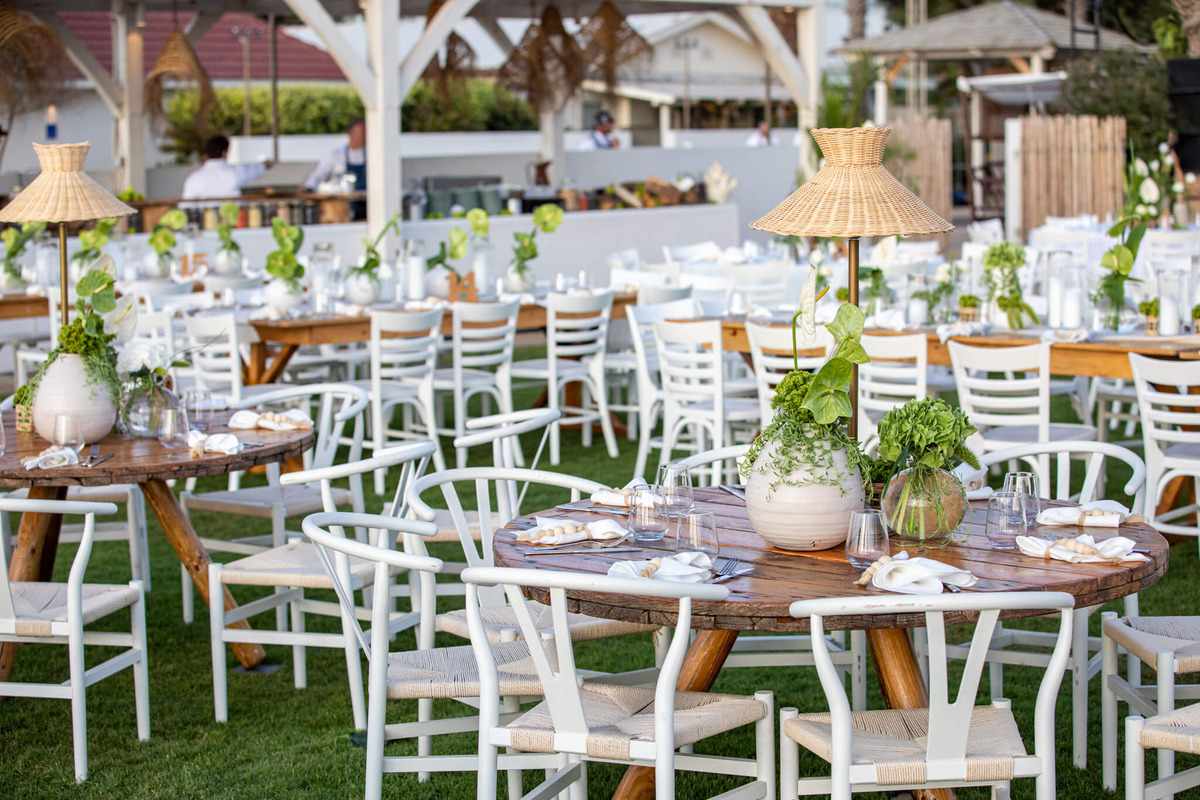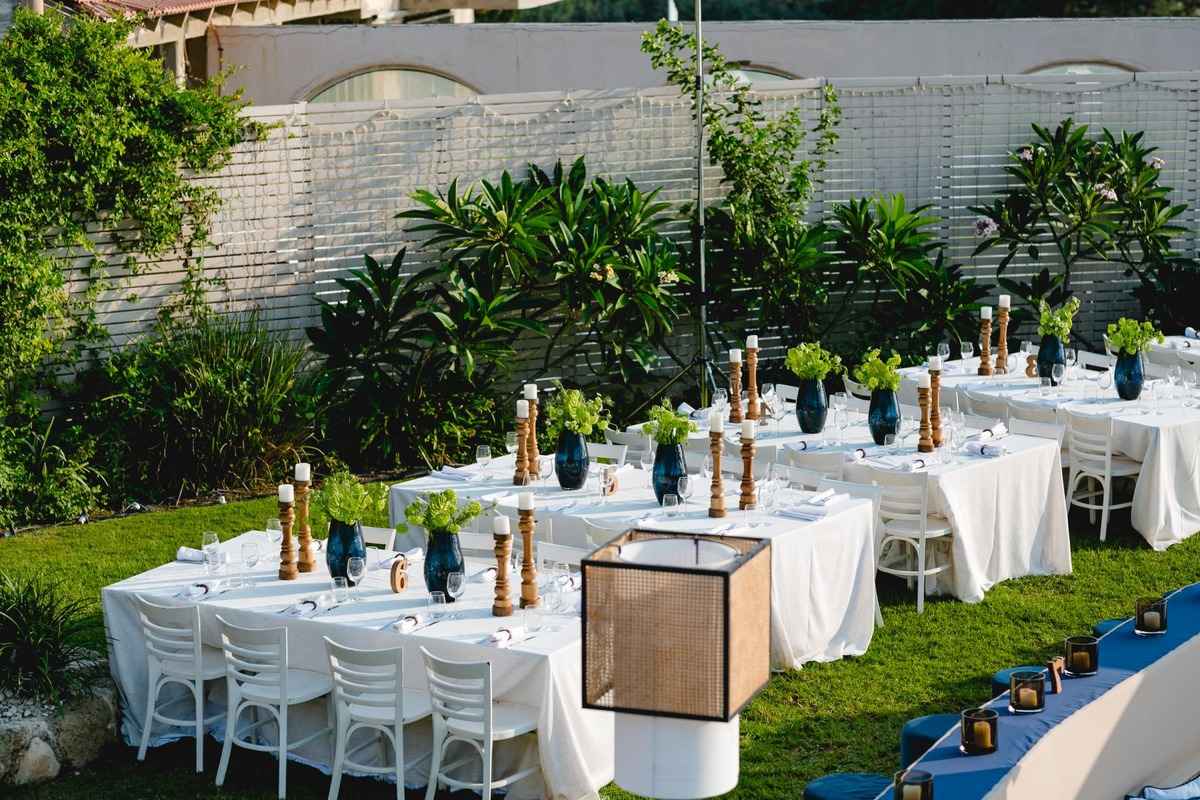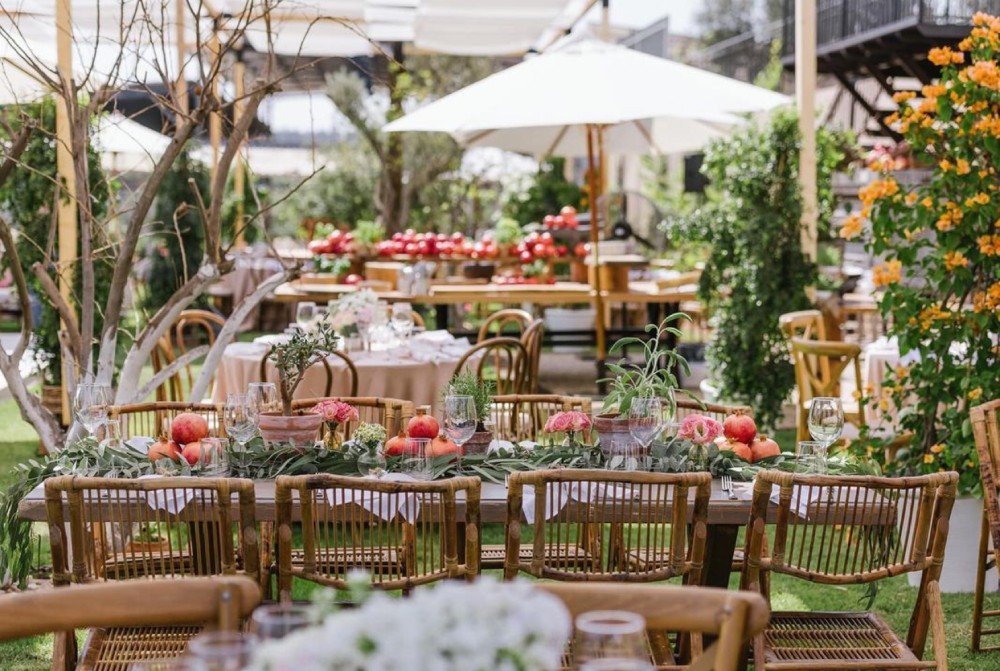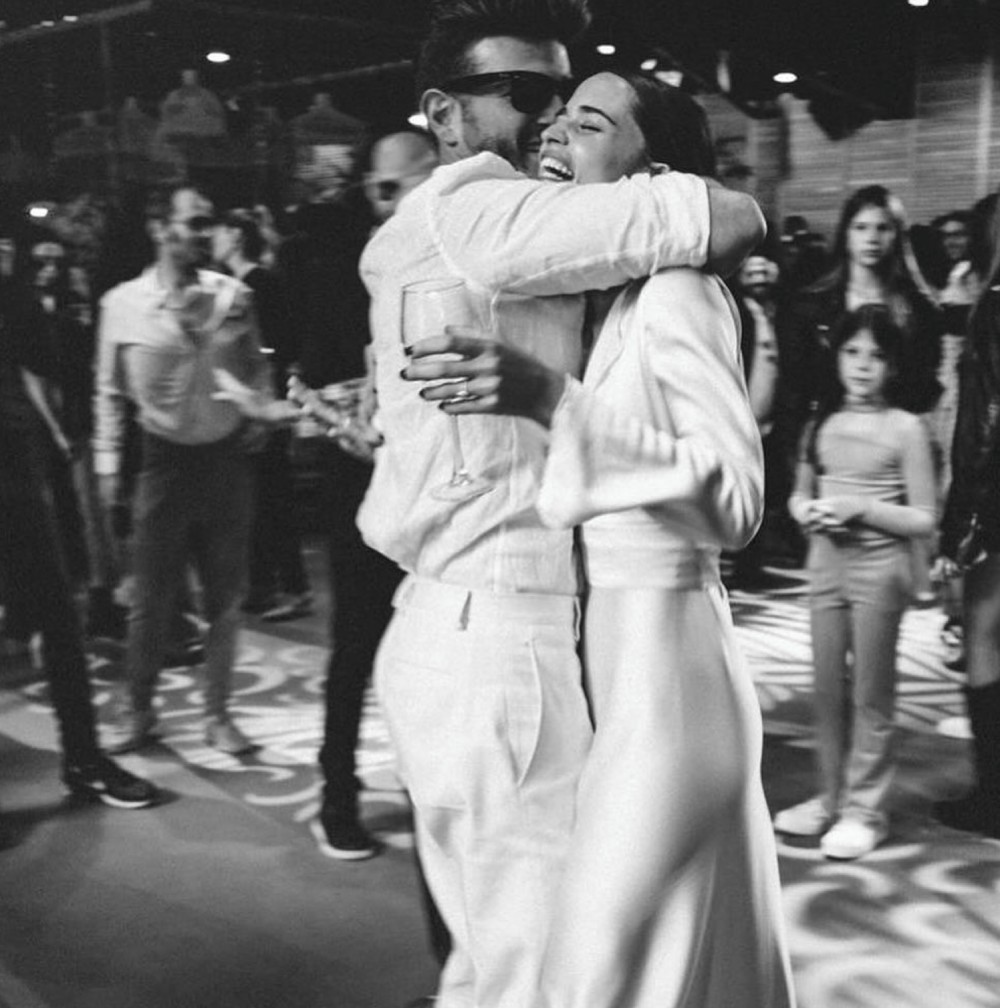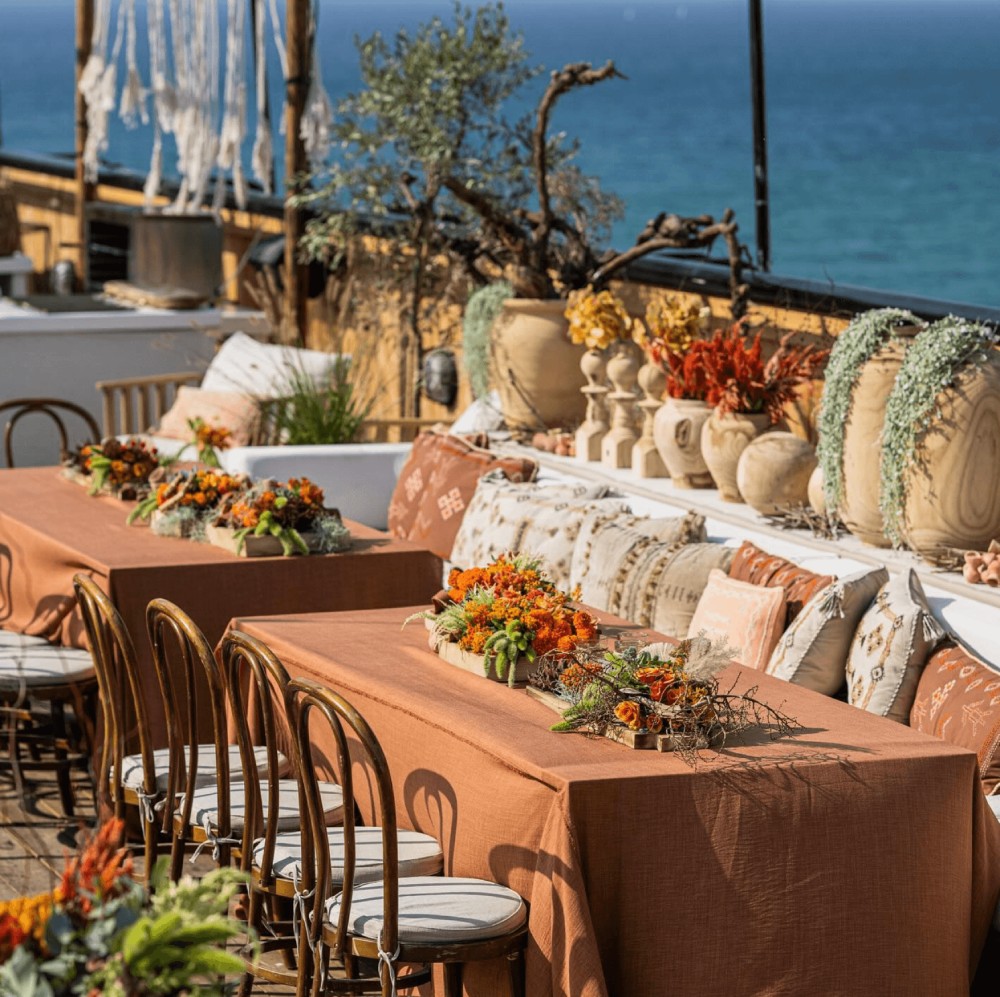
There is a moment like this in almost every organization. Someone throws an idea into the air for the next company event, someone else opens a presentation with inspirations, pictures, colors, beautiful spaces, workshops that everyone is talking about. The excitement is real, the will is good, and the feeling is that this time they are going to raise something special. But more often than not, two weeks after the event, everything has already faded. The pictures remain, the memory fades, and the organizational effect is almost imperceptible.
This is exactly why a concept event at the center should not start with an inspiration board and beautiful pictures, but with one simple and profound question: Why are we all doing this? Is it about strengthening a sense of belonging? Creating a connection between teams? Celebrating success? Dealing with burnout? Assimilating values? Each answer to this question will lead to a completely different path. Without a clear goal, the concept is a wrapper. With a clear goal, it becomes a real strategic tool.
An event is an organizational move, not just a company party
Many organizations treat events as a “treat” for employees or as a specific reward. But in practice, a concept event at the center can be an in-depth move that serves a broader process. A rapidly growing organization, where new employees join every month, needs an experience that allows for real introductions and not just a light evening. A company that has undergone significant management change needs an event that allows for processing the change, creating a dialogue and defining a common direction. A team that is experiencing ongoing stress needs a space that allows for breathing, creation and release, not another noisy stimulus that adds external energy. When an event is built from an understanding of the organizational situation, it ceases to be an evening that is a break from work and becomes an integral part of it. It integrates into the process, reflects it and sometimes even drives it forward.
Matching the organizational DNA
Not every concept is suitable for every organization. Some companies feel comfortable with exposure, a stage, competition and rapid dynamics. Others need a calmer, deeper space that allows for conversation and listening. Some teams enjoy high energy and short tasks, while others thrive on a slow and in-depth creative process. An event that is connected to the organizational DNA will feel natural, almost necessary. On the other hand, an event that is chosen only because it is trendy or photographs well may create embarrassment or distance. Accuracy is more important than glam. A precise event will be remembered much more than an impressive but unadapted event.
Co-creation as a bridge between people
One of the most powerful tools in concept events is co-creation. As soon as people create together, something changes in the dynamics. Titles soften, hierarchies dissolve, and the conversation becomes more personal. A programmer can discover a natural ability to lead, a manager can be exposed to creative vulnerability, and a new employee can find a place for themselves through shared action. A concept event at a center that is based on active participation rather than passive observation allows employees to be part of the experience and not just an audience. The creation itself is not a goal, but a means to create connection, trust, and a sense of group competence. When the experience is built correctly, it opens up a completely different discourse – one that does not always take place in the office space.
How to choose the right event concept beyond trends?
The world is full of brilliant ideas. At every moment there is a new trend that promises an unforgettable experience. But a quality concept event should not be chosen out of FOMO. It should be chosen out of precision. Sometimes the simple, quiet, profound idea will be more significant than any flashy attraction. The right choice requires the courage to give up. Give up an idea that does not serve the purpose, even if it looks great on paper. Give up a concept that does not sit right with the people, even if it “speaks” to everyone on social media. Ultimately, the human connection is more important than the visual effect.
How to ensure your event's impact lasts beyond the day after?
A successful event is not measured only by that evening. It is measured by what remains of it. Have new collaborations been created? Do people speak differently to each other? Has a shared sense of pride been born? A concept event at a center that was built with intention continues to live on even after the lights go out. It becomes a chapter in the organizational story, a shared memory, a landmark that symbolizes something deeper. When you think in advance about continuity, about a follow-up conversation, about a product that remains in the office, about insights that are integrated into everyday life, the event becomes part of a process and not a one-time event.
How does strategic event planning begin with listening?
This is exactly where you see the difference between technical production and strategic thinking. Makers is a company for producing unforgettable concept events where an excellent corporate event does not start with a list of activities, but with a real conversation. We ask questions about the organization, the culture, the challenges, and the people. We seek to understand what we want to strengthen, what is missing, and what is important. Only then do you begin to build the experience, and everything it includes, so that it is directly connected to the defined goal. This approach allows you to build events that have depth. Those that connect content to creation, people to meaning. Creation is not an external attraction, but a bridge. It allows employees to meet each other from a new angle, discover new abilities, and build a renewed sense of belonging.
Why is the event location just a starting point, and what truly defines the experience?
Choosing to hold a concept event in a center provides accessibility and flexibility, but the location is only the foundation. What truly defines the experience is the content, precision, and direction. An impressive space can support an event, but it does not replace deep thought. On the other hand, a clear goal can turn any space into a meaningful experience. When you start right, from the goal itself, the event becomes a true and meaningful landmark. It strengthens organizational culture, creates belonging, and allows people to stop their routine for a moment and truly meet.
And that’s exactly what Makers’ thinking is aimed at – to create a corporate event that includes both meticulous and unique design and excellent food. But also one that first begins with true intention, continues with shared creation, and leaves a mark that lasts long after the event itself is over.
Thinking about your next event? We’re here to make it a reality.
Send feedback